

Full Stack Developer vs. Specialized Developer: Which is Right for Your Project?
Full Stack Developer vs. Specialized Developer: Which is Right for Your Project?
The debate of Full Stack Developer vs. Specialized Developer continues to be a hot topic. Whether you’re launching a startup or managing a larger tech project, choosing between a full-stack or specialized developer can feel like a tricky decision. But let’s break it down in a way that doesn’t sound like tech jargon — more like a chat over coffee.
Full Stack Developer vs. Specialized Developer: Which One Fits Your Project?
A full-stack engineer can tackle both front-end and back-end tasks — they’re like Swiss Army knives for coding. On the other hand, a specialized developer focuses intensely on one area, bringing deep expertise but requiring collaboration with others.
It’s like deciding whether to hire a handyman to fix everything in your house or a team of professionals — a plumber for your leaky pipes and an electrician for your wiring. So, which one’s right for your project? Well, it depends on your needs. Some projects are better suited for generalists, while others absolutely need specialists.
Let’s dive into the specifics.
Key Differences Between Full Stack vs. Specialized Developers
| Aspect | Full Stack Developer | Specialized Developer |
| Skills | Knows both front-end and back-end languages | Focuses on a specific area (e.g., only front-end or back-end) |
| Flexibility | Can jump between tasks; handles various project needs | Expert in one area; provides deep knowledge and precision |
| Project Type | Ideal for smaller projects or startups | Best for large, complex projects needing specific expertise |
| Team Size | Can work solo or in small teams | Requires collaboration with other experts |
| Cost | Potentially cheaper as one person does multiple tasks | Higher, as you may need several specialists |
| Speed | Faster for projects that need quick, overall development | More time-efficient for specialized tasks |
Full Stack Developer: Skills, Pros, and Cons
Let’s get real here — full-stack developers are pretty much superheroes. They know both front-end and back-end programming languages like JavaScript, Python, HTML, and CSS. These folks can switch from designing a slick user interface to working on database queries, which means they’re perfect for smaller projects or when you need someone who can handle it all.
Full Stack Developer Pros:
- Flexibility is the name of the game. Need something done on the front end? Done. Backend issue? They’ve got it.
- Full-stack developers are budget-friendly for startups since you don’t need to hire multiple people for the same project.
- They’re great at seeing the big picture because they understand both sides of the tech equation.
Full Stack Developer Cons:
- They might not be as skilled in one specific area, which could lead to lower-quality results if you need something super intricate.
- They could get stretched thin, especially on bigger, more complicated projects, and that might affect their productivity.
So, if you’re working on a small to medium-sized project and want one person to handle the whole thing, a full-stack developer’s the way to go.
Specialist Software Engineer: Skills, Pros, and Cons
Now, a specialized developer — they’re your “go-to” when you want something done really well in a specific area. For instance, if you need a killer front-end developer who knows React inside and out, or a back-end developer who’s a wizard with databases, specialized engineers are the ones to call.
Specialized Developer Pros:
- They bring a deep, laser-sharp focus to their work. A front-end dev knows how to make a website look stunning, while a back-end dev can make sure your data flows seamlessly.
- Specialists ensure quality. If your project needs precise technical requirements, they’ll get it right because they’re experts in that niche.
Specialized Developer Cons:
- You might need multiple developers to cover all aspects of a project, which can increase costs.
- Communication between different specialists can slow things down a bit, especially if they aren’t used to working together.
Specialized developers are the top choice for larger projects where precision and depth of knowledge matter more than speed or budget.
Who Should You Hire: Full Stack vs. Specialized Software Engineer?
So, now you’re probably wondering, “Which one do I actually need?” Well, the choice between a full-stack and a specialized developer depends on your project size, complexity, and budget.
- Smaller Projects: For startups, MVPs (minimum viable products), or smaller projects, a full-stack developer is your best bet. You need someone who can jump between tasks without worrying about hiring a full team.
Larger Projects: If your project is a bit more complex — think big e-commerce platforms or custom enterprise solutions — a specialized developer is the way to go. You’ll get a higher level of expertise in each component, though you’ll likely need a team of them to cover all your bases.
How Ultivic Excels in Both
Here’s the thing: why choose between the two when you can get the best of both worlds? That’s where Ultivic comes in. We’ve got a team of both full-stack and specialized developers, meaning we can offer flexibility, expertise, and the right talent for whatever project you’re working on.
Need a quick turnaround with someone who can handle both front-end and back-end tasks? We’ve got full-stack developers ready to go. But if your project requires high-level expertise in just one area — we’ve also got specialists who can dive deep and make sure every detail is perfect. It’s all about matching the right skills with the right project.
Conclusion: Full Stack Developer vs. Specialized Developer — Which is Right for Your Project?
At the end of the day, both full-stack and specialized developers bring unique strengths to the table. Full-stack developers are versatile, able to handle the full scope of a project, while specialized developers offer expert knowledge in one area. Choosing the right type of developer depends on your project’s scope, complexity, and budget.
So, if you’re working on a project and trying to figure out who to hire, think about what matters most. Need flexibility and speed? A full-stack dev could be your solution. Need precision and expertise? Go for a specialist. And if you’re still not sure, Ultivic can help guide you in making the best choice for your specific needs.
FAQ: Full Stack Developer vs. Specialized Developer
A full-stack developer can handle both front-end and back-end tasks, making them pretty versatile. On the flip side, a specialized developer focuses on one specific area, like only the front-end or back-end.
For startups or smaller projects, a full-stack developer is often the better choice. They can manage various tasks without needing to hire multiple people. It’s like getting a one-stop-shop for all your development needs.
Not really. Full-stack developers are generalists—they know a bit of everything. But a specialized developer will have deep expertise in their specific area. So, while a full-stack developer might be able to tackle most tasks, a specialist is usually better for complex, high-precision work.
Generally, yes Since full-stack developers can do the work of both front-end and back-end developers, you can save money by hiring just one person instead of two or more specialists. But remember, you might sacrifice some depth in certain areas.
In fact, many projects benefit from a blend of both. Full-stack developers can keep the ball rolling on multiple tasks, while specialized developers can focus on the more complex or detailed work. It’s like having a flexible team with all the right skills in place.
It depends on the project. For quick, small-to-medium projects, full-stack developers can speed things up since they don’t need to wait on someone else to handle specific tasks. But for larger, complex projects, specialists may complete their tasks faster because they know the subject inside and out.
Yes, full-stack developers are in high demand, especially for startups and smaller companies that need someone who can do it all. However, specialized developers are still essential for larger, more complex projects where in-depth knowledge is key.
It really comes down to the size and complexity of your project. For smaller or less complex projects, a full-stack developer can usually get the job done efficiently. But if you’re working on a large-scale project that requires detailed work in certain areas, you might want to bring in a specialized developer or a team of specialists.
While full-stack developers can handle a lot, they might lack the deep expertise that’s needed for highly complex projects. This could lead to issues like slower development in certain areas or less refined results compared to what a specialized developer would deliver.
Ultivic gives you the best of both worlds, We’ve got full-stack developers who can manage end-to-end projects and specialized developers for those critical areas that require expert-level knowledge. Whether you need flexibility or laser-focused expertise, we’ve got you covered.

The Future of AI Development Services: Predictions for 2025 and Beyond
The Future of AI Development Services: Predictions for 2025 and Beyond
According to a Study by PwC 2030, AI will contribute $15.7 trillion to the global economy.
This eye-opening figure shows just how big AI is going to be. The future of AI development services isn’t just a passing trend or a tech buzzword; it’s shaping up to be a transformative force across industries worldwide. So, what’s next? How will AI services evolve? Buckle up as we dive into some exciting predictions for AI development services in 2025 and beyond.
What to Expect from the Future of AI Development Services
AI is growing fast, and the way development services around AI are structured is also changing rapidly. The future of AI development services looks promising, with new advancements and practical applications becoming a daily reality. Companies are starting to rely more heavily on AI to streamline their operations, enhance decision-making, and create new growth opportunities. The more businesses integrate AI, the higher the demand for customized AI development services that meet unique needs.
Now, let’s dig a little deeper into what these changes might look like:
- Hyper-personalization: In the coming years, AI development services will focus more on creating personalized experiences for users. This shift is fuelled by the need for businesses to tailor services to individual preferences, especially in industries like e-commerce, healthcare, and entertainment.
- AI in every industry: Whether it’s manufacturing, agriculture, or finance, the future of AI development services will penetrate every sector. Companies will require AI solutions that address industry-specific challenges, leading to a surge in AI consultancies focusing on niche markets.
- Automation: Beyond just automating mundane tasks, AI will begin to play a crucial role in complex decision-making processes. Expect more AI development services that cater to building sophisticated algorithms capable of predicting trends, assessing risks, and offering actionable insights faster than any human could.
A Closer Look at Future AI Trends for 2025 and Beyond
The evolution of AI is already transforming businesses, but the future holds even more. As we look towards 2025 and beyond, expect the following trends to dominate AI development services:
AI Ethics and Regulation
As AI becomes more powerful, there’s growing concern about its ethical use. Future AI development services will likely incorporate ethical guidelines to ensure responsible AI usage. Governments might even enforce regulations, mandating AI developers to follow specific standards. This means companies specializing in AI will have to provide services that ensure compliance with these new legal frameworks
AI for Sustainable Development
With climate change and resource conservation becoming global priorities, expect AI to play a significant role in promoting sustainability. From optimizing energy usage to managing waste more efficiently, the future of AI development services will help create eco-friendly solutions. Businesses will need AI developers who can design systems that meet sustainability goals, making AI an essential tool for both large corporations and startups.
Edge AI
While cloud-based AI services have dominated the past, Edge AI is expected to be the next big leap. Processing data closer to its source will reduce latency and improve real-time decision-making. Companies that provide AI development services will need to pivot and adapt to this shift. Expect new consulting services to pop up, helping organizations implement Edge AI into their existing systems.
Predictions for 2025 and Beyond
AI development services are evolving rapidly, and 2025 will mark a crucial turning point. Some major predictions include:
- AI Democratisation: AI development will no longer be a service restricted to big enterprises. By 2025, small and medium-sized businesses will have access to AI tools, thanks to the growing number of AI-as-a-Service platforms.
- AI and Human Collaboration: Contrary to fears of AI taking over jobs, the future of AI development services will emphasize collaboration between AI and humans. AI will take care of repetitive tasks, allowing humans to focus on creative and strategic aspects. Future AI services will focus on designing systems that empower humans, not replace them.
- Custom AI for Business: Instead of one-size-fits-all solutions, businesses will lean on AI services tailored to their specific needs. AI development services will offer highly customized solutions that integrate into every facet of a business, whether that’s customer service, supply chain management, or marketing.
Why Choose Ultivic for Your AI Development Services?
When it comes to AI development services, Ultivic is ahead of the game. Here’s why we’re the go-to for AI solutions:
- Unparalleled Expertise
With a team of seasoned AI professionals, Ultivic can provide cutting-edge solutions to help businesses unlock the full potential of AI. From AI ethics to machine learning, we cover every angle. - Tailored Solutions
Understanding that every business is different, Ultivic crafts AI development services that cater specifically to a company’s unique challenges and goals. Whether it’s automation, customer engagement, or data analytics, they’ve got you covered. - Up-to-date Technology
Ultivic stay on top of the latest AI trends. We’re not just implementing what works now but also what will work tomorrow. We make sure businesses are equipped with future-proof solutions that evolve with technological advancements. - Cost-Effective AI
AI doesn’t have to be expensive. Ultivic offer affordable, scalable AI development services, making us accessible to both large corporations and growing businesses alike.
The Takeaway: The Bright Future of AI Development Services
The future of AI development services looks incredibly bright. With advancements in AI ethics, sustainability, and Edge AI, there’s no limit to where this technology can take us. From small startups to multinational corporations, businesses will need to invest in AI services to remain competitive.
As AI continues to evolve, companies like Ultivic are leading the charge, ensuring businesses have the tools they need to succeed in this fast-paced digital age. Whether you’re looking for personalized AI solutions or comprehensive systems that revolutionize your operations, the future is clear—AI development services are the key to success.
So, are you ready to dive into the future of AI? Now’s the time to act and make sure your business stays ahead of the curve.
FAQ
AI development services refer to the creation, implementation, and maintenance of artificial intelligence technologies within businesses or systems. These services can include anything from machine learning algorithms, automation processes, predictive analytics, to custom AI solutions that cater to a company’s specific needs.
With AI expected to revolutionize industries by 2030, AI development services are crucial for businesses to stay competitive. These services allow companies to streamline operations, make data-driven decisions, and improve customer experiences. Essentially, AI development services are the backbone of innovation in the tech-driven world we’re moving toward.
The future of AI development services is looking promising. By 2025, expect services to focus more on hyper-personalization, edge AI (processing data closer to the source), and creating sustainable solutions for industries. AI will also be increasingly integrated into niche markets, offering more customized solutions tailored to specific business challenges.
Virtually every industry stands to gain from AI, but some will benefit more than others. For example, healthcare, finance, e-commerce, and manufacturing are set to see major changes thanks to AI. These industries will rely heavily on AI development services to streamline processes, enhance customer engagement, and optimize resource management.
In the past, AI development services were mainly available to big corporations due to the high cost of technology. However, by 2025, AI will be more democratized, meaning small and medium-sized businesses will also be able to access affordable, scalable AI solutions through AI-as-a-Service platforms.
Not entirely, while AI will automate repetitive tasks, the future of AI development services is centred around collaboration between humans and AI. Instead of replacing jobs, AI will empower employees to focus on creative and strategic tasks, making work more efficient and productive.
As AI becomes more integrated into daily life, ethical concerns are bound to arise. By 2025, there will likely be stricter regulations around AI usage. Future AI development services will need to incorporate these ethical guidelines, ensuring AI is used responsibly and transparently.
One major trend is Edge AI, which processes data closer to the source rather than relying entirely on cloud-based systems. This reduces latency and enables real-time decision-making, making AI faster and more efficient. Companies will need AI development services that can integrate this new technology into their operations.
AI can play a key role in optimizing energy usage, reducing waste, and creating eco-friendly solutions for industries. By 2025, many AI development services will focus on building systems that align with sustainability goals, helping companies reduce their carbon footprint while improving operational efficiency.

Common DevOps Challenges and How to Fix Them
Common DevOps Challenges and How to Fix Them
While DevOps promises faster delivery, better collaboration, and higher efficiency, the road to these benefits is often paved with significant challenges. Whether you’re a seasoned professional or a newbie, the hurdles can be overwhelming. Let’s dive into some of the most common DevOps challenges and, more importantly, how you can overcome them.
5 Common DevOps Challenges
DevOps sounds great on paper, but when it comes down to the nitty-gritty, several challenges can throw a wrench in the works. These obstacles can be broadly categorized into cultural, technical, and organizational.
- Cultural Resistance
One of the most pervasive challenges in DevOps is cultural resistance. People naturally resist change, and in a DevOps environment, this resistance can be particularly pronounced. The shift from siloed operations to a more integrated, collaborative approach requires a mindset change that not everyone is ready for. - Tool Overload
Let’s be real, the DevOps world is flooded with tools. From CI/CD pipelines to configuration management, the plethora of options can be dizzying. While having the right tools is essential, too many can lead to confusion and inefficiency, often causing more harm than good. - Lack of Automation
DevOps thrives on automation, but many organizations still rely heavily on manual processes. This can slow down deployment, increase the risk of errors, and generally undermine the goals of a DevOps initiative. - Security Concerns
With the rise of DevOps, the traditional approach to security can be a challenge. Integrating security into the DevOps pipeline—often referred to as DevSecOps—requires new strategies and tools, which can be difficult to implement. - Skill Gaps
The shift to DevOps requires a specific set of skills that not everyone possesses. This skill gap can be a major hurdle, as the success of a DevOps initiative depends on the team’s ability to adapt and learn new technologies and methodologies.
Tackling These Challenges Head-On: How to Fix Them
Now that we’ve laid out the challenges, let’s talk solutions. Addressing these issues requires a mix of strategy, technology, and—most importantly—people skills.
- Bridging the Cultural Divide
You can’t force people to change, but you can encourage and guide them. Start by fostering a culture of open communication. Encourage cross-departmental collaboration and make sure everyone understands the benefits of DevOps. A little empathy goes a long way in making people feel comfortable with change. Plus, celebrating small wins can help ease the transition. - Streamlining Your Toolset
When it comes to tools, less is often more. Instead of drowning your team in a sea of options, focus on a core set of tools that integrate well and serve your specific needs. Keep it simple and ensure everyone is comfortable with the tools in play. Sometimes, it’s better to master a few than to juggle many. - Embracing Automation
Automation isn’t just a luxury in DevOps; it’s a necessity. Start small if you must, but make sure you’re automating key processes like testing, deployment, and monitoring. Tools like Jenkins, Ansible, and Docker can be game-changers when used effectively. Remember, automation doesn’t mean eliminating the human element; it means empowering your team to focus on what really matters. - Integrating Security from the Start
Security should never be an afterthought. By adopting a DevSecOps approach, you integrate security practices into every stage of the development process. This might involve using automated security tools, conducting regular security audits, or simply educating your team on best practices. The key is to make security a part of your DevOps DNA. - Closing the Skill Gap
Training, training, and more training—that’s the only way to close the skill gap. Encourage continuous learning through workshops, certifications, and hands-on experience. Also, don’t underestimate the power of mentorship. Pairing less experienced team members with seasoned professionals can accelerate learning and build a more cohesive team.
Why Choose Ultivic for DevOps Services?
If all of this sounds like a lot to handle, that’s because it is. But that’s where Ultivic comes in. Why should you choose us for your DevOps needs? For starters, we bring years of experience in navigating these exact challenges. We don’t just offer solutions; we tailor them to your unique needs. Whether it’s streamlining your toolset, automating your processes, or integrating security, Ultivic has the expertise to guide you through it all. Plus, our focus on continuous learning means we’re always ahead of the curve, ready to implement the latest best practices in your organization.
The Bottom Line
DevOps is a journey, not a destination. You’re bound to encounter challenges along the way, but with the right mindset and strategies, they’re all manageable. The key is to stay flexible, keep learning, and remember that the biggest obstacles often lead to the greatest growth. So, whether you’re struggling with cultural resistance, drowning in tools, or facing a skill gap, don’t lose heart. These challenges are just stepping stones on the path to a more efficient, collaborative, and successful DevOps practice.
In the end, tackling these DevOps challenges is all about balance—balancing people with processes, technology with strategy, and automation with human insight. So go ahead, embrace the challenges, and watch as they transform into opportunities for growth and innovation.
Every project is unique, and Ultivic can tailor the back-end development process to meet your specific needs. Whether it’s integrating with existing systems or building a custom solution from scratch, they’ve got you covered.
FAQ: Common DevOps Challenges and How to Fix Them
The biggest challenges in DevOps often boil down to cultural resistance, tool overload, lack of automation, security concerns, and skill gaps. These can trip up even the most seasoned teams, but don’t worry, they’re all fixable with the right approach.
Cultural resistance is a tough nut to crack, but it’s not impossible. Start by fostering a culture of open communication and collaboration. Encourage your team to see DevOps as a way to make their lives easier, not harder. Celebrate small wins to help ease the transition, and always, keep the lines of communication open.
Tool overload is a common issue, but the fix is pretty straightforward: simplify. Stick to a core set of tools that do what you need and do it well. Instead of juggling a dozen different tools, focus on mastering a few that integrate seamlessly into your workflow. Less is more when it comes to DevOps tools.
Automation is the backbone of any successful DevOps strategy. It’s what allows you to move fast without breaking things. Start by automating repetitive tasks like testing and deployment. Tools like Jenkins, Ansible, and Docker can make a huge difference. The key is to start small and scale up as your team gets more comfortable with the process.
Security should be integrated into every stage of your DevOps pipeline—this is what’s known as DevSecOps. Use automated security tools, conduct regular audits, and make sure your team is well-versed in security best practices. It’s all about making security a natural part of your DevOps workflow, not an afterthought.
Closing the skill gap requires a commitment to continuous learning. Invest in training programs, encourage certifications, and create opportunities for hands-on experience. Mentorship is also a powerful tool—pair less experienced team members with veterans to accelerate their learning.
Start by identifying the specific challenges your team is facing. Once you know what you’re up against, you can develop a strategy to tackle each one—whether it’s fostering better communication, streamlining your toolset, or investing in training. And remember, you don’t have to do it alone. Partnering with experts like Ultivic can give you the guidance you need to turn challenges into successes.
The key takeaway is that DevOps challenges are manageable and even beneficial if approached correctly. Stay flexible, keep learning, and remember that these challenges are just stepping stones on your path to a more efficient, collaborative, and successful DevOps practice. And if you need a helping hand, don’t hesitate to reach out to Ultivic—we’re ready to turn your DevOps challenges into victories.

Why Every Business Needs a Professional Website in 2025
Why Every Business Needs a Professional Website in 2025
“In 2025, businesses without websites are like ships without compasses – lost at sea.” With the digital age in full swing, a professional website isn’t just a luxury; it’s a necessity. Whether you’re running a small, local shop or a large corporation, having an online presence is crucial. So, let’s dive into why every business needs a professional website in 2025.
Why a Small Business Needs a Professional Website
Running a small business comes with its own set of challenges, and having a website might seem like just another task on a long list. But let me tell you, it’s not just a task; it’s a game-changer. Imagine this – you’re a local bakery known for your delicious, homemade pastries. Without a website, how are people supposed to find you? Word of mouth only goes so far. A professional website puts your small business on the map, literally and figuratively. It allows customers to find you, see what you offer, and even place orders online. Plus, it gives your business credibility. In 2025, if you don’t have a website, people might start wondering if your business even exists.
Why Every Business Needs a Professional Website in 2025?
Now, you might be thinking, “Sure, I can throw together a basic website myself.” But hold on a second. In 2025, not just any website will do. Your website needs to be professional, sleek, and user-friendly. Why? Because first impressions matter. When a potential customer lands on your website, you’ve got about 5 seconds to grab their attention. If your site looks outdated or is difficult to navigate, they’ll bounce faster than you can say “404 error.”
A professional website not only attracts customers but also keeps them engaged. It’s optimized for mobile devices, loads quickly, and offers a seamless user experience. It also helps with search engine rankings. Yes, SEO is still king, and a well-designed website is the crown jewel. By 2025, businesses without a professional website will find themselves struggling to compete.
Advantages of Having a Professional Website in 2025
- 24/7 Accessibility
Your website works around the clock, even when you’re asleep. Customers can browse your products, learn about your services, and make purchases at any time. No more missing out on sales just because your shop is closed. - Credibility and Trust
A professional website establishes your business as legitimate and trustworthy. In 2025, customers are more cautious about where they spend their money. A well-crafted website shows that you’re serious about your business and are here to stay. - Wider Reach
With a website, you’re not limited to local customers. You can reach people across the globe. Whether you’re selling handmade crafts or offering consultancy services, a website broadens your customer base. - Marketing Powerhouse
Your website is a hub for all your digital marketing efforts. It’s where your social media, email campaigns, and online ads converge. In 2025, a professional website amplifies your marketing strategy, driving more traffic and conversions. - Insight into Customer Behavior
Ever wondered what products your customers are interested in? With a professional website, you can track user behavior, analyze trends, and make data-driven decisions. This information is gold when it comes to refining your business strategy. - Cost-Effective Marketing
Compared to traditional advertising, maintaining a professional website is incredibly cost-effective. It’s an investment that pays off by attracting new customers and keeping existing ones engaged. Plus, with proper SEO, your website can continue to bring in organic traffic long after your initial investment. - Branding and Identity
Your website is a reflection of your brand. It’s where you showcase your unique identity, values, and vision. A professional website ensures that your brand is consistently represented, from the color scheme to the tone of voice. - Scalability
As your business grows, your website can grow with you. In 2025, scalability is key. Whether you’re adding new products, expanding your services, or targeting new markets, a professional website makes it easy to adapt and evolve.
Why You Should Use Ultivic to Create a Professional Website in 2025
So, you’re convinced that your business needs a professional website. But where do you start? This is where Ultivic come in. Creating a website isn’t just about slapping some text and images together. It’s about crafting an experience that resonates with your audience. Ultivic specialize in building websites that not only look stunning but also function flawlessly.
First things first, Ultivic take the time to understand your business. We don’t believe in a one-size-fits-all approach. Whether you’re a startup or an established brand, we tailor our services to meet your specific needs. And let’s talk about design – our team of experts knows how to create websites that are both beautiful and user-friendly. We stay on top of the latest trends and technologies, ensuring your website is cutting-edge.
But it’s not just about the visuals. Ultivic also prioritize performance. In 2025, your website needs to load quickly and operate smoothly across all devices. We use the best practices in coding and development to make sure your site runs like a well-oiled machine. And don’t worry about SEO – we’ve got you covered. From keyword optimization to meta tags, they ensure your site is primed for search engines.
Customer support? We’ve nailed that too. Ultivic offer ongoing support and maintenance, so you’re never left in the lurch. We understand that a website isn’t a one-and-done deal; it’s an ongoing project that needs to evolve with your business.
Conclusion: Why Every Business Needs a Professional Website in 2025
By now, it’s clear why every business needs a professional website in 2025. Whether you’re a small business owner or running a large enterprise, a website is your digital storefront. It’s where customers learn about you, interact with your brand, and make purchasing decisions. A professional website does more than just exist online – it attracts, engages, and converts visitors into loyal customers.
If you’re looking to create a professional website that will set your business up for success in 2025, look no further than Ultivic. We have the expertise, creativity, and dedication to bring your vision to life. So, what are you waiting for? Make the leap and invest in a professional website today. After all, in 2025, a business without a website is like a ship without a compass – and you don’t want to be lost at sea.
FAQs: Why Every Business Needs a Professional Website in 2025
In 2025, if your business doesn’t have a website, it’s like being invisible. People are online all the time, searching for products, services, and information. A professional website is your digital storefront, where potential customers can find you, learn about what you offer, and even make purchases. It’s about staying competitive and relevant in a world where everything is just a click away.
A basic website might get you online, but it won’t do much more than that. A professional website, on the other hand, is designed with your business goals in mind. It’s user-friendly, mobile-responsive, fast-loading, and optimized for search engines. It not only looks good but also functions smoothly, keeping visitors engaged and encouraging them to take action, whether that’s buying a product, booking a service, or signing up for a newsletter.
Whether you’re a local bakery or a freelance consultant, a professional website is crucial. It gives your business credibility and makes it easier for customers to find and trust you. Plus, it expands your reach beyond just your local area. In 2025, small businesses with professional websites are thriving because they’re accessible 24/7 and can tap into a broader market.
A professional website acts as a marketing powerhouse. It’s where all your online marketing efforts converge – social media, email campaigns, ads, you name it. It helps you reach more people, engage them with quality content, and turn them into customers. Plus, with the ability to track user behavior, you can refine your strategies and make data-driven decisions that fuel growth.
A5: In 2025, your website needs to be more than just a pretty face. Key features include:
- Mobile responsiveness: Your site should look and work great on all devices.
- Fast loading speeds: Nobody likes to wait, so make sure your site is quick.
- SEO optimization: To rank higher in search engines and attract organic traffic.
- User-friendly navigation: Visitors should easily find what they’re looking for.
- Clear calls-to-action: Guide users on what to do next – whether it’s making a purchase or contacting you.
You could, but here’s the thing – a DIY website might save money upfront, but it could cost you in the long run. Professional web designers bring expertise in creating sites that are not only visually appealing but also functional and optimized for performance. They know the latest trends, best practices, and how to build a site that truly represents your brand. Plus, they handle the techy stuff, so you don’t have to worry about things going wrong.
Your website is often the first interaction a customer has with your brand. A professional, well-designed website creates a positive first impression and builds trust. It shows that you’re serious about your business and that you care about providing a great experience for your customers. In 2025, your website is a key part of your brand identity, and it needs to reflect your values and quality.
With Ultivic, you’re never on your own. We provide continuous support and maintenance to keep your website running smoothly. Whether it’s updating content, fixing bugs, or optimizing performance, we’re here to help. Your website isn’t just a one-time project – it’s an evolving platform that grows with your business, and Ultivic ensure it stays top-notch.
The sooner, the better. In 2025, a professional website isn’t just a nice-to-have; it’s essential. The longer you wait, the more potential customers you miss out on. Investing in a professional website now sets your business up for success, helping you attract, engage, and convert customers in a digital-first world. Don’t wait until your competitors have left you behind – make the move today.

Why Full Stack Development is Essential for Startups: Key Benefits
Why Full Stack Development is Essential for Startups: Key Benefits
Startups are about speed, adaptability, and bringing ideas to life fast. In a world where technology evolves at a breakneck pace, the ability to build, iterate, and launch quickly is crucial. That’s where full stack development steps in, offering startups the tools they need to transform ideas into reality without unnecessary delays. But what exactly is full stack development, and why is it so indispensable for startups?
What is Full Stack Development?
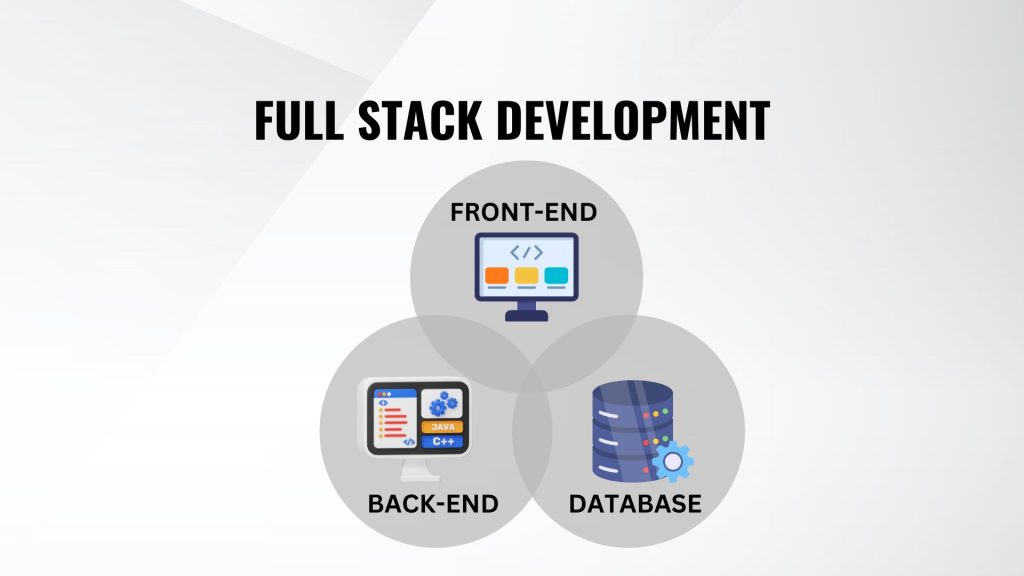
It means a developer—or a team of developers—can handle both the front-end (what users see) and the back-end (what happens behind the scenes) of a web application. Imagine building a house: the front-end is like the exterior design and interior decor, while the back-end is the plumbing, wiring, and foundation. A full stack developer is the architect who can do it all. From crafting user interfaces to managing databases, they’re the all-rounders in the tech world, capable of tackling every aspect of development.
Now, here’s the kicker—having someone who can handle both sides of the coin means you’re not shuffling between different specialists. It’s efficient, it’s seamless, and it’s exactly what startups need when time and resources are limited.
Why Full Stack Development is Essential for Startups
Startups are all about making the most out of limited resources, and full stack development is the golden ticket. But let’s dive deeper into why this approach is so crucial.
Cost Efficiency
When you’re running a startup, every penny counts. Hiring separate developers for front-end and back-end tasks can quickly drain your budget. Full stack developers, on the other hand, offer a two-for-one deal. They have the skills to handle both, which means you’re cutting down on hiring costs and minimizing overheads. Plus, fewer people involved often translates to fewer communication breakdowns.
Faster Development Cycles
Startups thrive on speed. They need to get products to market quickly to stay ahead of the competition. Full stack development allows for rapid prototyping and iterative testing, helping startups pivot quickly if needed. With a full stack developer on board, you’re not waiting around for one team to finish before another can start; everything flows together, making development cycles shorter and more efficient.
Better Problem-Solving
Full stack developers have a holistic understanding of how different parts of an application interact. This means they’re better equipped to troubleshoot issues, whether they arise in the user interface or the server-side logic. A problem that might stump a front-end or back-end specialist could be more easily resolved by someone with full stack expertise, reducing downtime and keeping the project on track.
Enhanced Flexibility
Let’s be honest—startups are unpredictable. You might start with one idea and end up pivoting to something entirely different. Full stack developers offer the flexibility to adapt quickly to these changes. They can easily switch between tasks, whether it’s tweaking the front-end design or optimizing the back-end database. This adaptability is priceless in the ever-changing landscape of startups.
Streamlined Collaboration
With full stack development, the line between front-end and back-end development blurs. This seamless integration fosters better collaboration, as developers understand the entire scope of the project. It leads to a more cohesive development process, where everyone is on the same page, reducing misunderstandings and ensuring that the final product is polished and functional.
Scalability
Startups grow fast. When they do, their applications need to scale accordingly. Full stack developers, with their broad skill set, are well-equipped to build scalable solutions. They understand how to optimize both the front-end and back-end to handle increased traffic, ensuring that the application can grow with the business.
Benefits of Full Stack Development for Startups
Let’s break down why full stack development is the real MVP for startups.
- Versatility: Full stack developers can work on multiple facets of a project, from user experience to server management.
- Cost-Effective: By hiring full stack developers, startups can save on hiring multiple specialists, which is a huge win for tight budgets.
- Faster Time-to-Market: Full stack development enables quicker iterations and product launches, which is crucial for staying competitive.
- Problem-Solving: With a deep understanding of both front and back-end processes, full stack developers can troubleshoot effectively, reducing delays.
- Flexibility: Startups often pivot, and full stack developers provide the flexibility to adapt to new requirements swiftly.
Side note: Think of full stack developers as the jack-of-all-trades in the tech world. They’re not just filling gaps—they’re bridging them, ensuring that everything runs smoothly, even when the road ahead is uncertain.
Why You Should Choose Ultivic for Full Stack Development
When it comes to full stack development, not all consultants are created equal. Ultivic stands out because we understand startups—we understand the unique challenges and pressures that come with being in the early stages of a business.
To begin with, our team comprises seasoned full stack developers who have worked with startups across various industries. This means they bring a wealth of experience and insight to the table, which is crucial when you’re navigating uncharted waters. We don’t just code; we consult, providing strategic advice that can make all the difference.
Additionally, Ultivic prioritizes communication. In a startup, where things can change at the drop of a hat, having a development partner who’s always in sync with your vision is invaluable. Our developers are not just tech experts but also great communicators, ensuring that your project evolves exactly as you envision.
Furthermore, we offer scalable solutions. Whether you’re starting with a minimum viable product (MVP) or planning a full-fledged application, Ultivic can scale services to match your needs. This scalability is critical as your startup grows and your requirements change.
Conclusion
In the fast-paced world of startups, full stack development isn’t just a nice-to-have—it’s essential. From cost efficiency to faster development cycles, better problem-solving, and enhanced flexibility, the benefits are clear. Startups need to be agile, adaptive, and ready to pivot at a moment’s notice, and full stack developers provide the technical backbone to do just that.
If you’re on the fence about whether full stack development is right for your startup, consider this: in a game where speed, efficiency, and adaptability are everything, full stack development might just be the edge you need. And when you’re ready to take the plunge, Ultivic is here to guide you through the journey, helping your startup turn ideas into reality with expertise and finesse. So, why wait? Embrace the future with full stack development and watch your startup soar.
FAQ
A: Full stack development involves working on both the front-end (the part users see and interact with) and the back-end (the part that makes everything work behind the scenes).
A: Startups thrive on speed, adaptability, and getting the most out of limited resources. Full stack development is essential because it allows startups to develop products quickly without needing a large team. One developer can do it all—designing, coding, testing—making the process faster and more streamlined, which is exactly what startups need.
A: Hiring a full stack developer is like getting two developers for the price of one. Instead of paying for separate front-end and back-end specialists, you hire one person who can handle both. This not only reduces costs but also simplifies project management, as there are fewer people to coordinate and communicate with.
A: With full stack development, there’s no waiting around for different teams to finish their part of the project. Since one developer can handle both sides, everything moves along more quickly and smoothly. This means faster prototyping, quicker iterations, and a shorter time to market—all crucial for staying ahead in the startup world.
A: The benefits are huge. Full stack development offers versatility, cost-effectiveness, faster time-to-market, better problem-solving abilities, and unmatched flexibility.
A: Pretty much, yes, whether you’re launching a simple MVP (Minimum Viable Product) or planning a complex web application, full stack development is adaptable enough to meet your needs. It’s especially valuable for startups that need to be agile and responsive to market changes.
A: Full stack developers have understanding of how different parts of a web application interact. This makes them better at troubleshooting issues, whether they’re in the front-end or back-end. Instead of passing the problem between different specialists, a full stack developer can address it quickly and efficiently, keeping your project on track.
A: Startups often need to pivot and change direction quickly. Full stack developers offer the flexibility to adapt to these changes without missing a beat. Whether it’s tweaking the user interface or reconfiguring the server-side logic, they can handle it all, ensuring your startup remains agile and ready for whatever comes next.
A: The biggest advantage is probably the ability to do more with less. Full stack development maximizes efficiency, reduces costs, and speeds up the development process—all of which are crucial for startup success. It’s like having a powerhouse developer who can turn your ideas into reality quickly and effectively.

How to Choose the Right AI Development Service for Your Company
How to Choose the Right AI Development Service for Your Company
“Artificial Intelligence is the new electricity.” — Andrew Ng
In today’s fast-paced digital world, companies that fail to integrate AI into their operations risk being left behind. The AI revolution isn’t just about cutting-edge technology—it’s about staying competitive, driving innovation, and unlocking new growth opportunities. So, if you’re contemplating how to select the right AI development service, you’re already ahead of the curve. But with so many options out there, how do you make the right choice?
Understanding Your Needs
Before diving into the vast ocean of AI development services, you need to know what you’re looking for. It’s like shopping for a car; you wouldn’t just grab the first one you see, right? Similarly, the first step in choosing the right AI development service is identifying your company’s specific needs. Are you looking for a solution to streamline operations, enhance customer experience, or perhaps a tool to analyze large datasets? Knowing the answers to these questions will significantly narrow down your options and ensure you partner with a service that aligns with your goals.
What to Look For in an AI Development Service
When hunting for the ideal AI development service, a few key factors should guide your decision:
- Expertise and Experience: Not all AI development services are created equal. Some specialize in machine learning, while others may excel in natural language processing or computer vision. It’s crucial to find a service provider with a proven track record in the specific AI domain that matches your needs.
- Customization Options: Off-the-shelf AI solutions might not fit your company like a glove. A service that offers tailored AI solutions, designed to integrate seamlessly with your existing systems, can make all the difference.
- Scalability: As your company grows, your AI needs will evolve. Ensure that the AI development service you choose can scale with your business, providing advanced features and functionalities as needed.
- Data Security: AI development often involves handling sensitive data. The service provider should prioritize data security and comply with relevant regulations to protect your information.
- Support and Maintenance: AI isn’t a set-it-and-forget-it technology. Continuous support and maintenance are essential to ensure your AI solutions remain effective and up-to-date. Choose a service provider that offers comprehensive after-sales support.
Tips to Choose the Right AI Development Service
Navigating the AI landscape can feel like walking through a dense forest without a map. But with a few practical tips, you can easily find your way:
- Do Your Research: Don’t just take a company’s word for it. Look at their past projects, client testimonials, and case studies. This will give you a better understanding of their capabilities and how they’ve helped other businesses.
- Ask for a Consultation: Most reputable AI development services offer initial consultations. Use this opportunity to ask questions, clarify your needs, and assess whether their approach aligns with your vision.
- Evaluate Their Tech Stack: The technology stack a company uses says a lot about its capabilities. Ensure that their tools and platforms are up-to-date and compatible with your existing infrastructure.
- Consider Long-term Value: While cost is a significant factor, don’t be lured by the cheapest option. Think about the long-term value an AI development service can bring to your business. Sometimes, spending a bit more upfront can save you from headaches down the road.
- Check for Industry-specific Knowledge: If your business operates in a niche sector, finding an AI development service with industry-specific experience can be a game-changer. They’ll already understand the unique challenges and requirements of your industry, saving you time and money in the long run.
Why Choosing the Right AI Development Service Matters?
Alright, let’s get real for a sec. Choosing the wrong AI development service can be a nightmare. You might end up with a solution that doesn’t work, or worse, one that creates more problems than it solves. That’s why it’s essential to choose wisely.
The right AI development service will do more than just provide you with the latest tech—they’ll partner with you to understand your business goals, challenges, and opportunities. They’ll work with you to develop a customized solution that meets your needs today and can adapt to whatever tomorrow throws at you.
Plus, they’ll offer ongoing support to ensure your AI solution remains cutting-edge and effective. So, yeah, choosing the right AI development service is a big deal. It’s not just about technology; it’s about creating a partnership that drives your business forward.
How Ultivic can help you with AI software development?
Ultivic focus on creating AI solutions that are as unique as your business. Whether you’re looking to automate routine tasks or dive into big data analysis, we’ve got you covered. We don’t just deliver a product; we work with you every step of the way, from initial consultation to ongoing support.
And the best part? We understand that no two businesses are the same. So, instead of offering cookie-cutter solutions, we develop AI tools that fit seamlessly into your existing operations. It’s like having a custom-tailored suit, but for your business’s AI needs.
Advantages of Choosing the Right AI Development Service
Now, let’s talk about the perks. When you pick the right AI development service, you’re setting your company up for success. Here’s why:
- Enhanced Efficiency: AI can automate repetitive tasks, freeing up your team to focus on more strategic initiatives. This not only boosts productivity but also reduces operational costs.
- Better Decision-Making: With AI’s ability to analyze vast amounts of data, you’ll gain insights that can lead to smarter business decisions. It’s like having a crystal ball that helps you predict future trends and opportunities.
- Improved Customer Experience: AI can help personalize the customer experience by predicting customer needs and preferences. This can lead to increased customer satisfaction and loyalty.
- Competitive Advantage: In a world where everyone’s trying to get ahead, AI can give you the edge you need to outsmart the competition. Whether it’s through faster processes, better products, or more personalized services, AI can help you stay ahead of the curve.
Conclusion
Choosing the right AI development service isn’t just a decision it’s a commitment to the future of your business. It’s about finding a partner who understands your vision and has the tools and expertise to help you achieve it.
So, take your time, do your research, and don’t be afraid to ask the tough questions. In the end, the right AI development service will be the one that not only meets your needs today but can grow and adapt as your business evolves. With the right partner by your side, the possibilities are endless.
Ready to make the leap? Start exploring your options today, and take that first step toward transforming your business with AI.
FAQ
The right AI development service ensures that your business leverages AI in a way that truly drives growth and efficiency, setting you apart from competitors.
You want to look for a few key things: expertise in your specific AI needs (like machine learning, NLP, etc.), customization options, scalability for future growth, top-notch data security, and solid ongoing support. Basically, make sure they can deliver what you need today and what you’ll need tomorrow.
Check out their past projects, read client testimonials, and dive into their case studies. A solid track record is a good sign they know their stuff. And if they’ve worked with companies in your industry, even better.
The best AI development services offer tailored solutions that align with your specific goals and operations. It’s like getting a suit custom-made—it just fits better. So, make sure the service you choose can adapt their offering to match your unique needs.
Oof, the risks are pretty serious. You could end up with a solution that doesn’t meet your needs or one that actually creates more problems. Worse, you might face issues with data security or find that the service can’t scale as your business grows. That’s why it’s crucial to choose carefully.
Picking the right service can give your business a massive boost. We’re talking enhanced efficiency, better decision-making, improved customer experiences, and a serious leg up on the competition. It’s like having a secret weapon in your business arsenal.
Start by understanding your needs—what do you want AI to do for your business? Then, research potential service providers, ask for consultations, and don’t be shy about asking tough questions. Remember, this is about finding a partner who’ll help you achieve your business goals.
During a consultation, you should expect the service provider to ask a lot of questions about your business, goals, and existing tech setup. This is also your chance to ask them about their approach, tech stack, and how they plan to meet your needs. Think of it as a two-way interview—you’re both figuring out if it’s a good fit.
Choose a service that offers continuous support and maintenance. AI is a dynamic field, so it’s crucial to have a partner who can help you keep your solution current and effective as new technologies and methods emerge.

Why Backend Development is as Important as Front-End?
Why Backend Development is as Important as Front-End?
When it comes to building a website or app, most people only notice the front end—the dazzling design, sleek animations, and interactive features. But behind every stunning interface lies a complex system that keeps everything running smoothly. This is where backend development comes into play. It’s the unsung hero, the brain behind the beauty, ensuring that everything functions as it should. So, why is backend development as important as front-end development? Let’s dive into it.
What is Backend Development?
Backend development, in the simplest terms, is like the engine of a car. You don’t see it, but without it, the car wouldn’t move an inch. It involves all the behind-the-scenes processes that make a website or application work. This includes managing databases, server-side logic, APIs, and everything that makes data flow from the server to the browser. Imagine a website without a back end—it would be like a shell without substance.
So, what’s involved in back-end development? Here’s a quick rundown:
- Database Management: Handling data storage, retrieval, and updates.
- Server-Side Logic: Writing code that ensures the front end works seamlessly with the database.
- APIs: Connecting different systems and enabling data exchange.
- Security: Implementing measures to protect data and ensure user privacy.
Every time you log in, make a purchase, or even just browse a site, the back end is hard at work. It’s the part that ensures your experience is smooth and that all the features work as expected.
Why is Backend Development as Important as Front-End?
The front end might be what users interact with, but the back end is what makes everything possible. Without a solid back-end structure, even the most beautifully designed front end would be useless. Let’s break down why back-end development holds equal, if not more, importance.
1. Functionality Over Aesthetics
A gorgeous website that doesn’t function properly is worse than an ugly one that works flawlessly. Backend development ensures that every click, submission, and interaction on the front end triggers the right response. It’s the difference between a well-functioning app and one that crashes at every turn. Think about it—what’s the point of a sleek e-commerce site if customers can’t check out their carts?
2. Data Management
Ever wondered how your favourite social media platform knows what to show you next? Or how an e-commerce site recommends products you might like? That’s all thanks to the back end. It’s responsible for handling and processing data, ensuring that users get personalized and relevant experiences. Without proper backend development, data would be a jumbled mess, and user experiences would be far from seamless.
3. Security and Privacy
In today’s digital age, data breaches are a huge concern. Backend development plays a crucial role in safeguarding sensitive information. From encrypting passwords to ensuring secure transactions, the back end is your first line of defence against cyber threats. Without strong back-end security measures, users’ data could easily be compromised, leading to loss of trust and potential legal issues.
4. Scalability
As your website or app grows, so does the demand on its systems. A well-built back end ensures that your platform can handle increased traffic, data, and functionality without crashing. It’s like building a strong foundation before constructing a skyscraper. Without it, the entire structure could collapse under pressure.
5. Integration with Other Systems
Modern websites and apps often need to integrate with various third-party services, like payment gateways, social media platforms, or CRM systems. Back-end development ensures these integrations run smoothly, allowing for a seamless user experience. Imagine trying to pay for an item online, only to have the payment gateway fail—that’s what happens without proper back-end integration.
The Brains Behind the Beauty
“A beautiful face without a brain is nothing more than a pretty picture.”
While the front end is what users fall in love with at first sight, the back end is what keeps the relationship going strong. It’s like a partner who not only looks good but also has the intelligence and personality to match. Backend development is the brain behind the beauty, ensuring that every part of a website or app functions as it should.
Why Backend Development is Crucial for User Satisfaction
- Performance Optimization: Back-end development directly impacts the speed and performance of a website or app. A slow-loading site can drive users away, no matter how visually appealing it is.
- Customization: The back end allows for personalized user experiences by processing data in real-time and delivering customized content based on user behaviour.
- Reliability: A robust back end ensures that the site or app is reliable, reducing the chances of crashes or downtime.
Why Choose Ultivic for Backend Development?
When it comes to back-end development, you want the best in the business. Here’s why Ultivic are a must:
1. Experience and Expertise
Ultivic have years of experience working with complex systems. We understand the intricacies of back-end development and can anticipate issues before they become major problems. This expertise ensures that your project is built on a solid foundation.
2. Tailored Solutions
Every project is unique, and Ultivic can tailor the back-end development process to meet your specific needs. Whether it’s integrating with existing systems or building a custom solution from scratch, they’ve got you covered.
3. Security Best Practices
As mentioned earlier, security is a top concern in back-end development. Ultivic stay up-to-date with the latest security protocols and best practices, ensuring that your project is protected against potential threats.
4. Scalability Planning
Planning for future growth is crucial, and Ultivic can build a back end that’s scalable and ready to handle increased demand. This means fewer headaches down the road as your business expands.
5. Ongoing Support
Back-end development doesn’t end once the project is launched. Ultivic provide ongoing support, ensuring that any issues are quickly resolved and that the system continues to run smoothly.
Conclusion
Back-end development might not be as flashy as the front end, but it’s every bit as important. It’s the foundation upon which a successful website or app is built, ensuring that everything functions as it should. Without a strong back end, even the most beautiful front end would be nothing more than a pretty face.
As you move forward with your next project, remember that back-end development isn’t just an afterthought—it’s the backbone that will carry your website or app to success. So, invest in the best, because a well-built back end is the key to a seamless, secure, and scalable platform.
FAQ
Back-end development involves all the behind-the-scenes processes that power a website or app, from managing databases and server-side logic to handling APIs and ensuring security. Basically, it’s the part that makes sure everything works smoothly when you interact with a site.
Think of the front end as the face of a website and the back end as the brain. Sure, the front end might be what catches your eye, but without the back end, nothing would function. Back-end development ensures that all the features on the front end work properly, handles data management, provides security, and keeps everything running efficiently. It’s the difference between a website that’s all show and one that actually works.
Back-end development plays a huge role in user experience. It ensures that the website or app runs smoothly, loads quickly, and delivers the right content at the right time. Without a solid back end, users might face slow load times, crashes, or even security issues, all of which can ruin their experience.
Technically, yes, but it would be extremely limited. A site without back-end development would be like a car without an engine—it might look good on the outside, but it wouldn’t go anywhere. The back end is essential for any functionality beyond simple static pages.
Back-end development is your first line of defense against cyber threats. It involves implementing security measures like data encryption, user authentication, and secure payment processing. Without proper back-end security, sensitive information could be at risk, leading to breaches and loss of user trust.
A well-built back end allows your website or app to handle increased traffic and data as it grows. It’s like building a strong foundation before adding more floors to a building. Without a scalable back end, your platform might crash under pressure when your user base expands.
Back-end development handles the integration of your website or app with third-party services like payment gateways, social media platforms, or CRM systems. It ensures that data flows smoothly between systems, providing a seamless experience for users and reducing the chances of technical issues during transactions or interactions.
A well-optimized back end can significantly enhance the speed and performance of your website or app. It handles data efficiently, reduces server load, and ensures that users don’t experience frustrating delays or timeouts.
The back end is the backbone of any successful website or app. It’s not as flashy as the front end, but it’s crucial for functionality, security, and scalability. Investing in strong back-end development ensures that your platform not only looks good but works perfectly too.

Why Front-End Web Development Matters for Growing Businesses
Why Front-End Web Development Matters for Growing Businesses
“Design is not just what it looks like and feels like. Design is how it works.” – Steve Jobs. This quote perfectly captures the essence of front-end web development. While the back end of a website keeps everything running smoothly behind the scenes, the front end is what users interact with directly. It’s the part of your website that users see, touch, and experience. In today’s fast-paced digital world, where first impressions often determine whether a customer stays or leaves, front-end web development is more crucial than ever for growing businesses. Let’s dive into why.
What Is Front-End Web Development?
Imagine you’re walking into a store. The layout, the way products are displayed, the lighting, and the overall vibe you get as you step in all these elements contribute to your shopping experience. Front-end web development is like the online equivalent of that store layout. It’s all about designing and implementing the visual aspects of a website that users interact with directly.
Front-end developers work with HTML, CSS, and JavaScript to build a website’s layout, colors, fonts, buttons, images, and other elements that you see on the screen. They ensure that the site not only looks good but also functions well across different devices and browsers. The ultimate goal is to create a seamless, engaging, and user-friendly experience that keeps visitors coming back.
Why Front-End Web Development Matters for Growing Businesses
Now, you might wonder, “Why is front-end development so important for my growing business?” The answer lies in the fact that your website is often the first point of contact between you and your potential customers. It’s like your online storefront, and just like in the physical world, you want that storefront to be inviting and easy to navigate.
- First Impressions Count: Studies show that users take only 0.05 seconds to form an opinion about your website “so a book is really judged by its cover”. If your site doesn’t look appealing or if it’s confusing to navigate, they’ll bounce right off and look for something better. A well-executed front-end design ensures that your site captures attention from the get-go.
- User Experience Is Key: Front-end web development is all about the user experience. A site that’s easy to use, fast, and responsive not only keeps users engaged but also encourages them to take action whether it’s making a purchase, signing up for a newsletter, or getting in touch with you.
- Mobile Responsiveness: With more people accessing the web via smartphones and tablets, having a mobile-friendly site isn’t just a nice-to-have; it’s a necessity. Front-end developers ensure that your site looks and works great on any device, giving your business a competitive edge.
- Customer Engagement: A well-designed website draws visitors in and keeps them engaged. Whether through interactive elements, smooth navigation, or compelling visuals, good front-end design makes users want to explore more.
- Trust and Credibility: A polished, professional-looking website helps build trust with your audience. When your site looks and feels trustworthy, users are more likely to do business with you.
- Competitive Advantage: In a crowded online marketplace, a standout website gives you an edge over competitors. It’s not just about having a presence; it’s about making that presence count.
- Faster Load Times: Speed matters. A site that loads quickly keeps users happy and reduces bounce rates. Front-end optimization plays a key role in ensuring fast load times.
- Scalability: As your business grows, your website needs to grow with it. Scalable front-end solutions allow you to expand your site’s functionality without starting from scratch
The Importance of Front-End Web Development
Alright, let’s get into the nitty-gritty of why front-end web development is so vital. Your website is more than just an online brochure—it’s a powerful marketing tool that can drive growth and revenue. Here’s why front-end development is at the heart of that.
- Brand Consistency: A strong front-end design helps establish and maintain brand consistency across all your digital platforms. When your website reflects your brand’s identity—through colors, fonts, and overall design it creates a cohesive experience that builds trust and recognition.
- SEO Benefits: Believe it or not, front-end web development plays a significant role in SEO. Search engines like Google consider factors like page load time, mobile responsiveness, and user experience when ranking sites. A well-optimized front end can improve your site’s visibility, driving more organic traffic your way.
- Conversions and Sales: At the end of the day, your website’s primary goal is to convert visitors into customers. Whether you’re selling products, services, or ideas, a well-designed front end makes it easier for users to find what they’re looking for and take action. This directly impacts your bottom line.
Top Front-End Libraries and Frameworks
Now, let’s take a quick detour into the tools of the trade. When it comes to front-end web development, there are tons of libraries and frameworks that can help developers create slick, efficient, and user-friendly websites. These tools streamline the process, making it easier to build robust sites that stand out. Here are some of the top ones:
- React: Developed by Facebook, React is a popular JavaScript library for building user interfaces, especially for single-page applications. It allows developers to create large web applications that can update and render efficiently.
- Vue.js: Vue is another JavaScript framework that’s gaining popularity for its simplicity and flexibility. It’s great for both beginners and experienced developers who want to build interactive web interfaces.
- Angular: Managed by Google, Angular is a powerful framework for building dynamic web apps. It’s particularly suited for large-scale enterprise applications.
- Bootstrap: For those who want to get a responsive website up and running quickly, Bootstrap is a go-to framework. It offers pre-designed components and a grid system that makes layout design a breeze.
Conclusion
In today’s digital landscape, front-end web development is not just about making a website look pretty it’s about creating a powerful, engaging, and effective online presence that drives business growth. Whether it’s through brand consistency, improved user experience, or better SEO, investing in your front end pays off in spades.
As your business grows, so too should the quality and functionality of your website. Don’t just settle for a generic online presence. Take the time to invest in front-end development, and you’ll see the benefits in customer engagement, trust, and, ultimately, your bottom line. Ultivic creates the best front-end development for you, ensuring your site not only meets but exceeds the expectations of your users.
FAQ
Front-end web development is all about what you see and interact with when you visit a website. It involves designing and building the layout, visuals, and user interface of a site using tools like HTML, CSS, and JavaScript. Basically, it’s the part of the website that creates the first impression for users.
Simple your website is your online storefront. If it looks outdated, is hard to navigate, or doesn’t load quickly, potential customers will just move on to a competitor. A strong front-end design keeps users engaged, builds trust, and ultimately drives more business.
A well-crafted front end makes your website easy to navigate, visually appealing, and responsive across all devices. This means users will find what they need faster and are more likely to stay on your site longer, which is exactly what you want.
There are some cool tools out there that make front-end development a breeze. Popular ones include React, Vue.js, Angular, and Bootstrap. These frameworks help developers create slick, responsive, and user-friendly websites with less hassle.
A well-optimized front end improves your site’s load time, mobile responsiveness, and overall user experience—all factors that search engines consider when ranking websites. So, investing in front-end development can actually help boost your visibility on search engines like Google.
A great front-end design can enhance customer engagement, build credibility, and give you a competitive edge in the market. When your website not only looks good but also works smoothly, it can directly impact your conversions and sales.
With more people using their phones to browse the web, having a mobile-responsive website isn’t just optional it’s a must. Front-end developers ensure that your site looks and works perfectly on all screen sizes, which is crucial for reaching and retaining customers.
Your website should reflect your brand’s identity through its colors, fonts, and overall design. Consistent branding across all digital platforms builds trust and recognition, making your business more memorable to customers.

Why Outsource Mobile App Development ?
Why Outsource Mobile App Development ?
“Did you know that over 70% of businesses worldwide outsource some part of their app development process?” Outsourcing mobile app development isn’t just a trend; it’s a strategic move that many successful companies are making. Whether you’re a startup trying to launch your first app or an established company looking to expand your digital presence, outsourcing can be a game-changer. So, why should you outsource your mobile app development? Well, let’s dive in and explore the reasons that make this approach not just sensible but, in many cases, essential.
Outsourcing Mobile App Development
Outsourcing mobile app development makes sense for a ton of reasons. First off, it’s cost-effective. You’re not just saving on the salaries of full-time developers; you’re also cutting down on overhead costs like office space, utilities, and equipment. Plus, you get access to a global talent pool, meaning you can find experts in exactly what you need, whether it’s iOS, Android, or cross-platform development.
Another reason? Speed. Outsourcing allows you to get your app to market faster because you’ve got a dedicated team working around the clock—literally if you’re partnering with an offshore company. And hey, let’s not forget flexibility. When you outsource, you can scale your team up or down as your project requires. No more worrying about what to do with excess staff once a project wraps up.
Challenges in Selecting Offshore Application Developers
Alright, now that we’ve talked about the perks, let’s chat about some challenges. Selecting the right offshore developers can be tricky. You’ve got to wade through a sea of options, and not all of them are created equal.
One major challenge is finding a team that truly understands your vision. You might be dealing with cultural differences, language barriers, or just plain old time zone issues. Then there’s the matter of quality control. How do you ensure the offshore team meets your standards? It’s not like you can just pop into their office for a quick chat. You’re handing over the reins to a team you’ve never met in person, so it’s crucial to vet them thoroughly. That means checking references, looking at past work, and maybe even starting with a smaller project before going all in.
Experts in the industry often suggest starting with a detailed project scope and clear communication channels. The biggest mistake companies make is not setting expectations from the get-go. You need to be very specific about what you want and when you want it. Otherwise, you’re setting yourself up for a headache.
Advantages of Outsourcing Mobile App Development
Now, let’s talk about the good stuff—the advantages of outsourcing your mobile app development. First up, you get to tap into expertise that might not be available locally. Maybe you need a developer who’s a whiz with AI, or someone who’s got expert skills in UI/UX design. When you outsource, you’re not limited by geography.
Another plus? Time savings. When you outsource, you’re not bogged down by the hiring process. You can hit the ground running because your outsourcing partner already has a team in place. Plus, they’ve likely done this a hundred times before, so they know the ropes.
You also get the benefit of flexibility. You can scale your team as needed, whether you’re ramping up for a big launch or winding down after a project is completed. And, let’s not forget about risk management. When you outsource, you’re sharing the risk with your partner. They’re just as invested in the project’s success as you are, which can be a huge relief.
Why You Should Invest in Offshore Mobile Application Development
So, why should you invest in offshore mobile application development? Simple: it’s a smart move for your business. Offshore development can offer significant cost savings, allowing you to allocate your budget to other critical areas like marketing or R&D. Plus, offshore developers often bring a fresh perspective to the table. They might have insights or ideas that your in-house team wouldn’t think of simply because they’re coming from a different market or culture.
Then there’s the matter of speed. Offshore teams often work around the clock, which means you can get your app to market faster than if you were relying solely on local talent. And let’s not overlook the fact that offshore development allows you to scale your operations quickly. Need to add more features to your app? No problem. Your offshore team can expand to meet your needs.
Finally, there’s the advantage of tapping into specialized skills. Whether you need experts in a specific technology stack or someone who understands the nuances of a particular market, outsourcing allows you to find the right people for the job, no matter where they are in the world.
Conclusion
Outsourcing mobile app development isn’t just a practical solution—it’s a strategic one. From cost savings and access to global talent to flexibility and speed, the benefits are clear. Sure, there are challenges, like finding the right team and ensuring quality control, but with careful planning and clear communication, these can be managed. In the end, outsourcing just makes sense for many businesses, whether you’re a startup or an established company.
So, why wait? If you’re ready to take your mobile app to the next level, consider outsourcing as your go-to strategy. After all, Ultivic is the best outsourcing mobile app development company, and we’re ready to help you bring your vision to life. Don’t just build an app—build it with the best.
FAQ
Outsourcing your mobile app development makes a lot of sense, especially if you’re looking to save on costs and speed up the process. When you outsource, you’re not just hiring a developer; you’re gaining access to a whole team of experts who’ve got the skills you need. Plus, you can focus on what you do best running your business the app gets built by pros. And let’s be real, managing an in-house team can be a headache with all the overheads and long-term commitments.
This is a common concern, and it’s all about communication. The key is to start with a detailed project scope and set clear expectations from the get-go. Regular check-ins, using collaboration tools, and having a solid project manager on their side can make a huge difference. Many companies also start with a small pilot project to test the waters before fully diving in. This way, you can see if the offshore team “gets it” before committing to the whole project.
One of the biggest challenges is selecting the right team. You’ve got to do your homework—check references, look at past work, and maybe even start with a smaller project to gauge their skills. Other challenges include managing time zone differences and ensuring quality control. But with a good process in place, these challenges can be managed effectively.
The advantages are pretty compelling. For starters, you’re saving money—not just on salaries, but on things like office space, equipment, and utilities. You’re also getting access to a global talent pool, which means you can find experts in whatever technology or design skills you need. Another big plus, Speed. Offshore teams can often work around the clock, so your app gets to market faster. And don’t forget the flexibility—outsourcing lets you scale your team up or down as needed without any long-term commitments.
Quality assurance is all about setting the right expectations and keeping communication lines open. Make sure you’ve got a detailed project plan and milestones in place. Regular updates and beta versions can help you stay on top of the development process. And if possible, get a project manager who’s experienced in working with offshore teams. They’ll help bridge any gaps and ensure the project stays on track.
It can feel risky, but it’s all about how you manage it. Start with an NDA (Non-Disclosure Agreement) to protect your intellectual property. Choose a team with a solid track record and good references. You can also consider starting with a smaller part of the project to build trust before handing over the whole thing. Remember, many successful apps out there were built by offshore teams—so with the right approach, the risk is manageable.
Pretty much any company that wants to develop an app should consider outsourcing, especially if you’re looking to save costs and speed up the process. Startups, small to medium-sized businesses, and even large enterprises can benefit. If you don’t have the in-house expertise or the budget to hire a full-time team, outsourcing is a smart move.

Why Having a Good Website Design is Important for Business Growth?
Why Having a Good Website Design is Important for Business Growth?
“Your website is the window to your business. Keep it fresh, keep it exciting.”
Imagine walking into a store where everything is cluttered, colors clash, and the layout makes it impossible to find what you’re looking for. You’d probably leave, right? The same goes for your website. In today’s digital age, where your online presence often serves as the first interaction between you and potential customers, a good website design is not just an option—it’s a necessity.
The Importance of Good Website Design for Business Growth
So, why is having a good website design so crucial for business growth? It’s simple: your website is the face of your business. It’s where customers form their first impressions, learn about your products or services, and decide whether or not they want to engage with your brand. A good website design can make all the difference in how your business is perceived and how effectively it can convert visitors into loyal customers.
Good website design plays a pivotal role in business growth by ensuring your site is easy to navigate, visually appealing, and aligned with your brand’s identity. When done right, it can enhance user experience, build trust, and ultimately drive sales. On the flip side, a poorly designed website can turn potential customers away faster than you can say “404 error.”
Why a Good Website Design Matters
First Impressions Last
When someone visits your website, the design is the first thing they notice. A sleek, modern, and professional design instantly conveys credibility. If your website looks outdated or is difficult to navigate, visitors might think your business is equally outdated. And let’s face it—nobody wants to do business with a company that feels stuck in the past.
Enhances User Experience
A well-designed website isn’t just about looking pretty. It’s also about functionality. Good website design ensures that your site is user-friendly, which means visitors can easily find what they’re looking for without getting frustrated. Intuitive navigation, clear calls-to-action, and a logical layout contribute to a seamless user experience that keeps visitors engaged.
Boosts SEO Performance
Search engines love good website design too. When your site is well-structured, loads quickly, and is mobile-friendly, search engines like Google take notice. This can significantly improve your SEO rankings, making it easier for potential customers to find you. Plus, when users spend more time on your site because it’s well-designed, it signals to search engines that your content is valuable, further boosting your rankings.
Builds Trust and Credibility
Trust is a major factor in any business relationship, and your website plays a key role in establishing it. A professionally designed website with clear, concise information and a secure connection (hello, HTTPS) builds trust with visitors. They’re more likely to believe that you’re a legitimate business that values its customers.
Increases Conversion Rates
At the end of the day, the goal of any business website is to convert visitors into customers. Good website design plays a direct role in this by guiding visitors towards taking action, whether that’s making a purchase, signing up for a newsletter, or contacting you for more information. Through strategic placement of buttons, forms, and other elements, a well-designed website can significantly increase conversion rates.
Supports Brand Consistency
Your website is an extension of your brand. Good website design ensures that all elements from colors and fonts to imagery and messaging are consistent with your brand’s identity. This consistency not only reinforces your brand but also helps to create a cohesive experience for visitors, making your business more memorable.
Advantages of Having a Good Website Design
Alright, let’s break it down a bit more, yeah? Having a good website design is like having a rock-solid foundation for your business’s online presence. Here’s why it’s such a big deal:
- User Retention: If your website is easy to use and visually appealing, people are more likely to stick around. It’s that simple. They’ll browse more, learn more, and eventually, buy more.
- Competitive Edge: A well-designed website sets you apart from the competition. It shows that you’re professional, up-to-date, and serious about your business. In crowded markets, this can be the difference between standing out and blending in.
- Improved ROI: Investing in good website design can lead to better returns. How? By attracting more visitors, keeping them engaged, and converting them into customers. Over time, this translates to increased sales and growth.
- Brand Perception: People judge a book by its cover, and the same goes for websites. A good design creates a positive perception of your brand, making people more likely to trust you and do business with you.
Mobile Responsiveness
One more thing to keep in mind—your website design needs to be mobile-friendly. More than half of all web traffic comes from mobile devices, so if your site doesn’t look good on a smartphone, you’re missing out on a massive chunk of potential customers. Mobile responsiveness isn’t just a nice-to-have feature; it’s essential for reaching and retaining customers in today’s market.
The Ripple Effect of Good Design
Think of good website design like the pebble that causes ripples in a pond. One small improvement can lead to a cascade of positive effects throughout your business. From increased customer satisfaction and loyalty to better search engine rankings and higher conversion rates, the benefits of investing in good website design are both immediate and long-lasting.
Final Thoughts It’s More Than Just Aesthetics
At the end of the day, having a good website design is about more than just looking good—it’s about creating a tool that supports your business’s growth and success. Your website is often the first interaction people have with your brand, so make it count. With a well-designed site, you can build trust, improve user experience, and ultimately drive more business your way.
Ultivic is the best web development company. We provide end-to-end web development services, creating visually appealing and responsive websites that drive engagement and deliver results. Whether you’re looking to revamp an existing site or build one from scratch, our team has the expertise to help you achieve your goals.
FAQ
It’s often the first thing potential customers see, and you want to make a great first impression, right? A good website design ensures that your site looks professional, is easy to navigate, and aligns with your brand. This not only builds trust but also keeps visitors engaged, which is crucial for turning them into customers.
A well-designed website does a lot more than just look pretty. It improves user experience, boosts your SEO rankings, and helps increase conversion rates. All these factors contribute to growing your business by attracting more visitors, keeping them on your site longer, and encouraging them to take action whether that’s making a purchase, signing up for a newsletter, or getting in touch with you.
Content is definitely important, but design and content go hand in hand. Even the best content can be overlooked if your site is poorly designed. If your website looks outdated or is hard to navigate, visitors might not stick around long enough to read your content. A good design makes your content more accessible and engaging, which helps to keep visitors on your site longer.
Search engines, like Google, pay attention to how well your website is designed. A good design means faster load times, mobile responsiveness, and a clean structure all things that search engines love. When your site ticks these boxes, it’s more likely to rank higher in search results, making it easier for potential customers to find you.
There are a few must-haves when it comes to good website design:
- User-Friendly Navigation: Visitors should be able to find what they’re looking for without getting lost.
- Responsive Design: Your site should look great on all devices—desktops, tablets, and smartphones.
- Fast Load Times: Nobody likes waiting for a site to load. Slow sites can turn visitors away.
- Clear Calls-to-Action: Guide your visitors to take the next step, whether it’s making a purchase or contacting you.
- Consistent Branding: Your design should reflect your brand’s identity, from colors and fonts to imagery and messaging.
Good design leads visitors to take action. By strategically placing buttons, forms, and calls-to-action, you make it easier for visitors to do what you want them to do like buying a product or signing up for your newsletter. When your website is easy to navigate and visually appealing, visitors are more likely to trust your brand and take that next step.
Sure, good design can be an investment, but think of it this way it’s an investment in your business’s growth. A well-designed website can attract more customers, improve your search engine rankings, and increase sales, all of which lead to a solid return on investment. Plus, with the right web development company (like Ultivic), you can get a design that fits your budget and meets your needs.
At Ultivic, we specialize in creating websites that are not only visually appealing but also highly functional. We understand that a good website design is key to business growth, which is why we focus on creating designs that enhance user experience, boost SEO, and drive conversions. Whether you need a brand-new site or a redesign, our team is here to help you achieve your goals and grow your business.

Enhancing Client Experience with Customized Software
In today’s competitive market, delivering an exceptional client experience is crucial for business success. Customized software solutions can play a significant role in achieving this goal.
In this post, we’ll explore how customized software can enhance client experience, improve satisfaction, and foster loyalty. Discover the benefits of tailoring your software to meet client needs.
1. Personalization
Customized software allows businesses to offer personalized experiences that meet individual client preferences and requirements. This personalization can lead to higher satisfaction and stronger client relationships.
2. Improved Communication
Customized software can streamline communication between businesses and clients, ensuring timely and efficient interactions. Features such as automated notifications and integrated messaging systems can enhance client engagement.
3. Enhanced Accessibility
Custom software solutions can provide clients with easy access to services and information, whether through mobile apps, web portals, or other digital platforms. This accessibility ensures clients can interact with your business at their convenience.
4. Faster Response Times
Customized software can automate routine tasks and streamline workflows, reducing response times for client inquiries and requests. This efficiency can significantly improve the overall client experience.
5. Increased Reliability
Custom software solutions can be tailored to ensure high reliability and performance, minimizing downtime and errors. This reliability fosters client trust and confidence in your services.
Conclusion
Enhancing client experience through customized software can lead to higher satisfaction, improved engagement, and increased loyalty. By tailoring your software to meet client needs, you can differentiate your business and achieve lasting success.

Case Study: Transforming Businesses with Custom Software Solutions
Discover how custom software solutions have revolutionized businesses across various industries. Learn from real-life examples how tailored software can drive success and innovation.
In this post, we’ll share inspiring case studies that highlight the transformative power of custom software solutions. These examples will demonstrate the significant impact that tailored software can have on business efficiency, growth, and customer satisfaction.
Case Study 1: Enhancing Operational Efficiency in Logistics
Client: XYZ Logistics
Challenge: XYZ Logistics struggled with inefficient dispatch and tracking systems, leading to delays and increased operational costs.
Solution: We developed a custom dispatch system that automated scheduling, optimized routes, and provided real-time tracking for their fleet.
Case Study 2: Streamlining Inventory Management in Retail
Client: ABC Retail
Challenge: ABC Retail faced challenges with overstocking and stockouts due to a lack of real-time inventory data.
Solution: We created a custom inventory management system that provided real-time stock levels, automated reordering, and integrated with their point-of-sale system.
Case Study 3: Improving Customer Engagement in E-commerce
Client: 123 E-commerce
Challenge: 123 E-commerce struggled to engage customers and personalize their shopping experience.
Solution: We developed a custom recommendation engine that analyzed customer behavior and provided personalized product recommendations.
Case Study 4: Enhancing Decision-Making in Financial Services
Client: DEF Financial Services
Challenge: DEF Financial Services needed deeper insights into their data to make informed strategic decisions.
Solution: We developed a custom analytics tool that provided real-time data visualization and advanced reporting capabilities.
Conclusion
These case studies demonstrate the transformative impact of custom software solutions on businesses across various industries. By addressing specific challenges and providing tailored solutions, custom software can drive efficiency, growth, and customer satisfaction.


